Regia Yarn – “Pairfect Design Line”

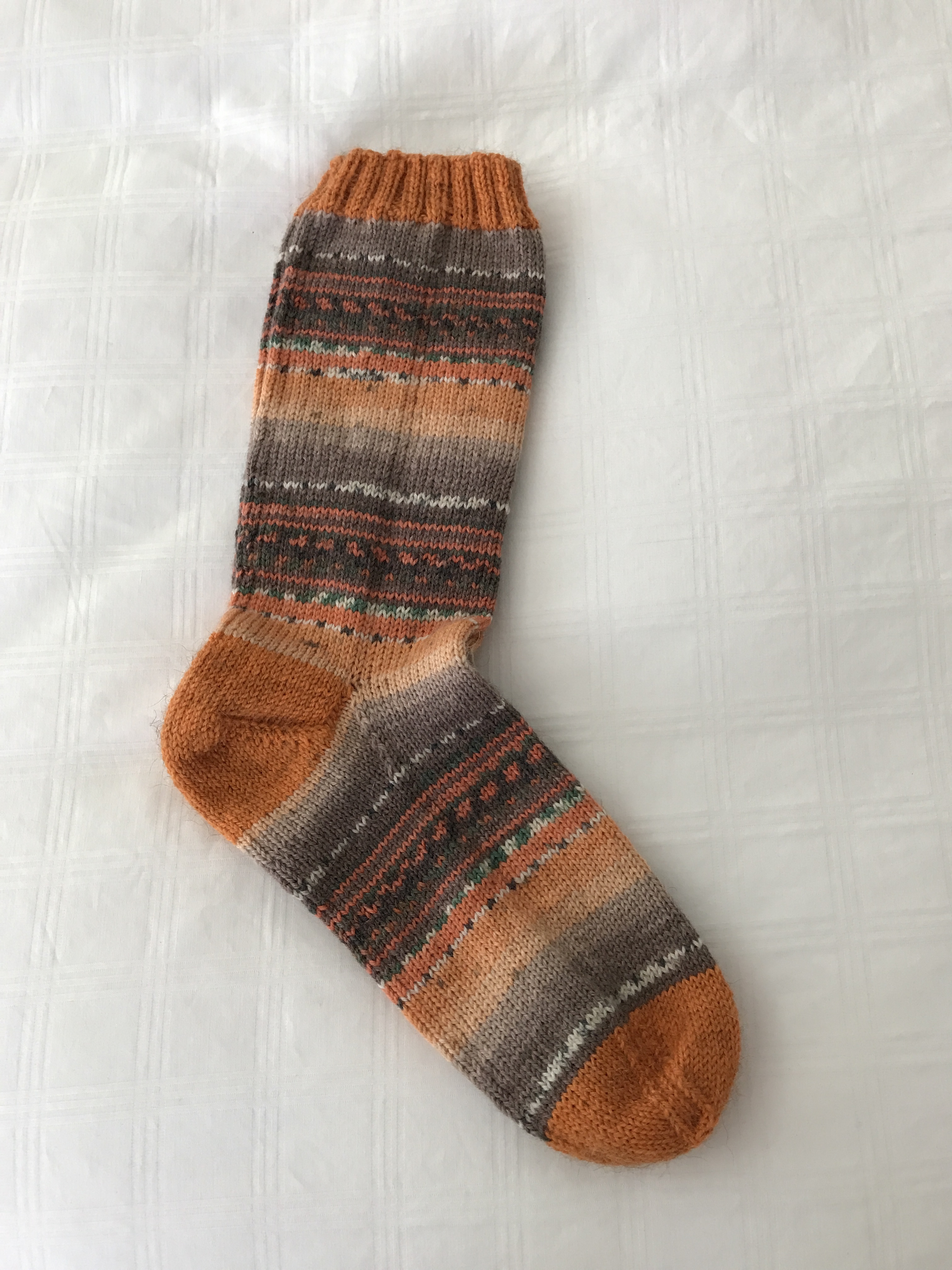
Brown Socks

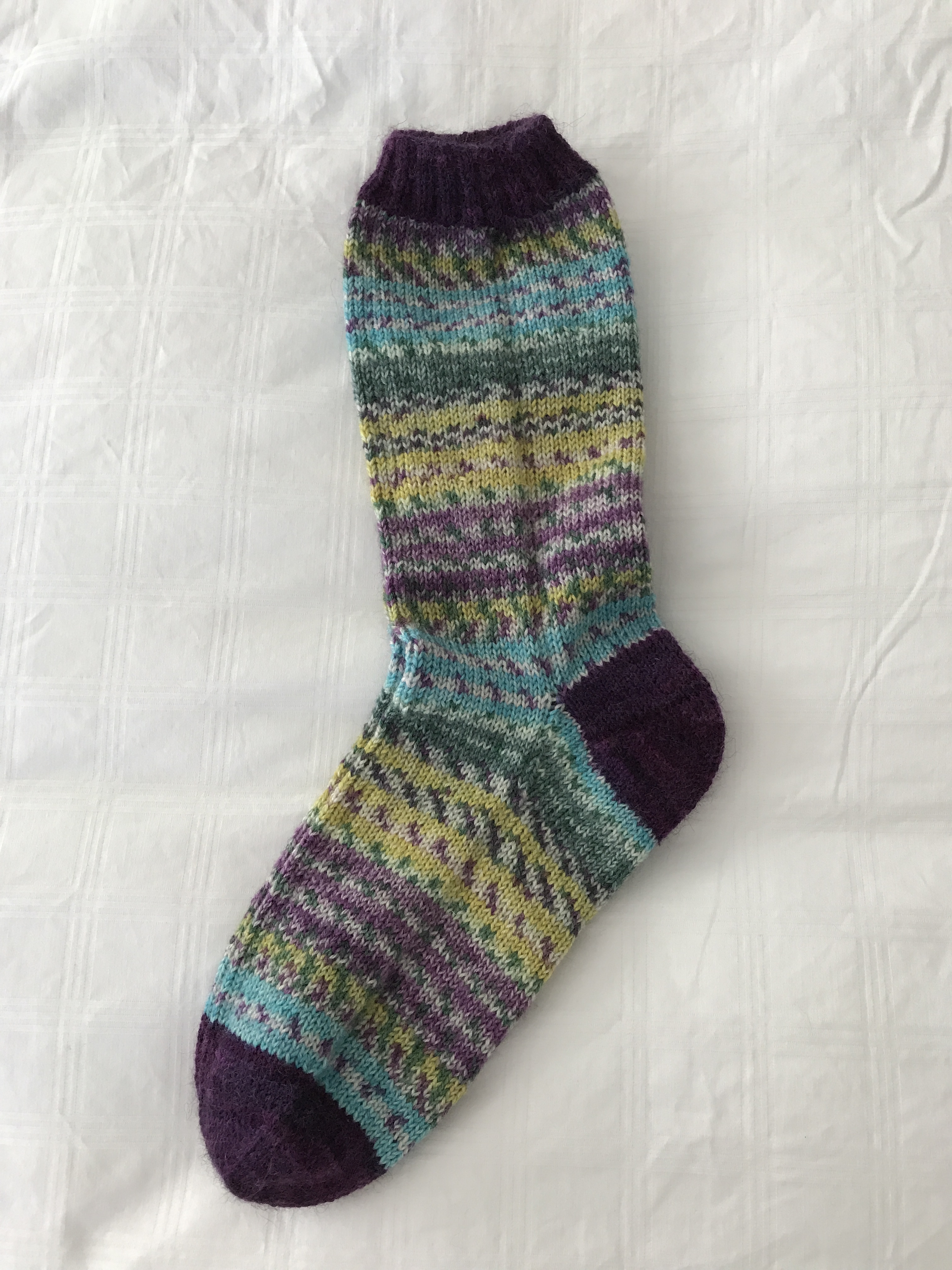
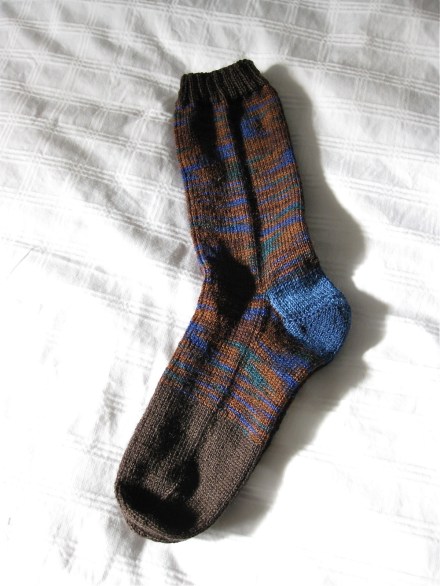
This Regia yarn is dyed to create a complete sock with contrasting cuff, heel, and toe and a variegated yarn between to create a design.

However, the yarn expects a 24-row cuff and I only ever knit 12-rows so I cut out the extra and carried on. But then I ended up with a short leg; I continued the leg past the yarn intended for the heel and into the second patterned section. When I get to the heel I need brown yarn   – I added back the brown I’d cut out. I knit the heel, continued on with the foot and ended up needing more brown for the toe. I used the last scraps from the upper leg and fortunately had enough yarn to complete the foot.

The second sock was easier since I knew how it would knit up.

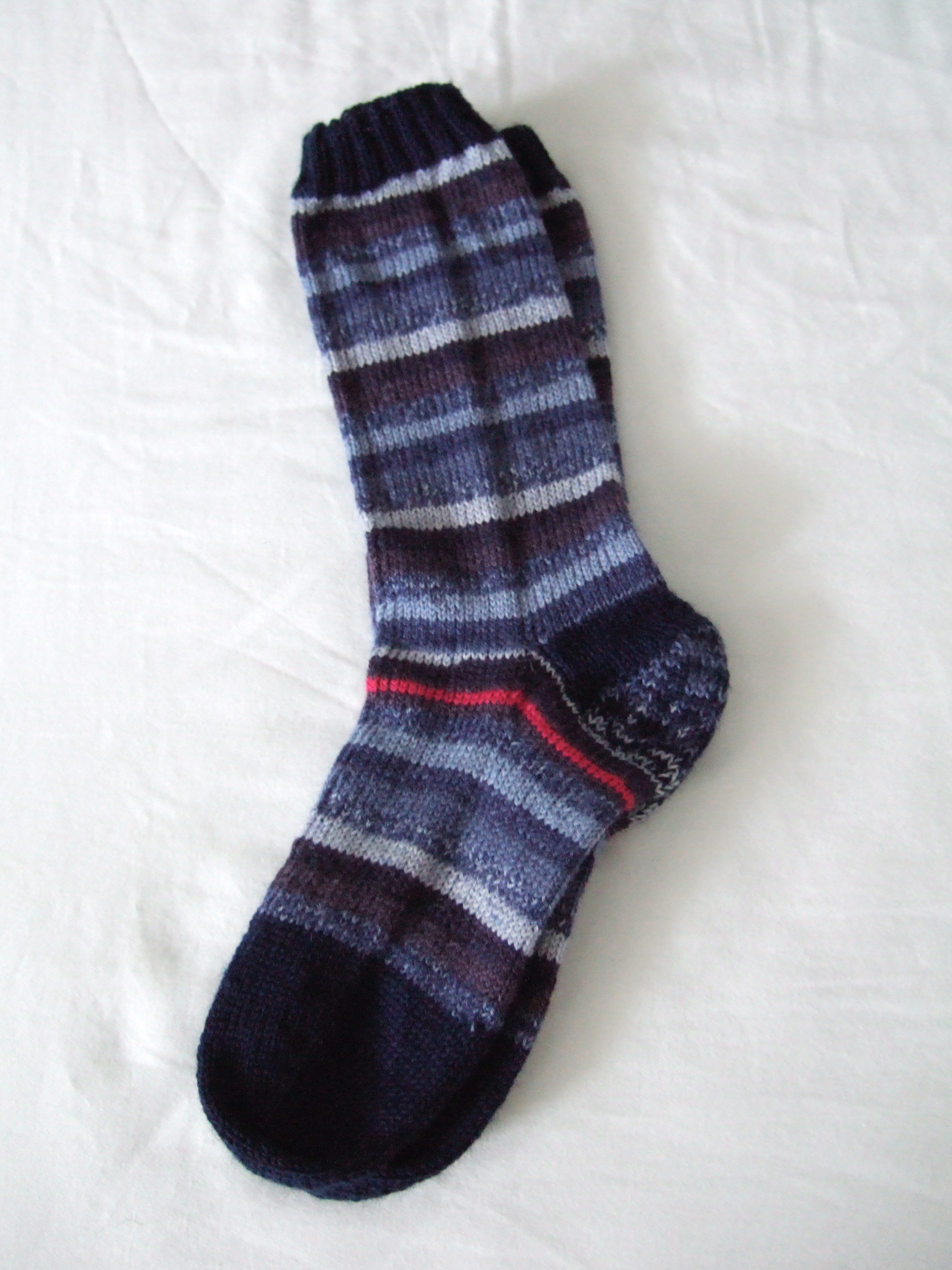
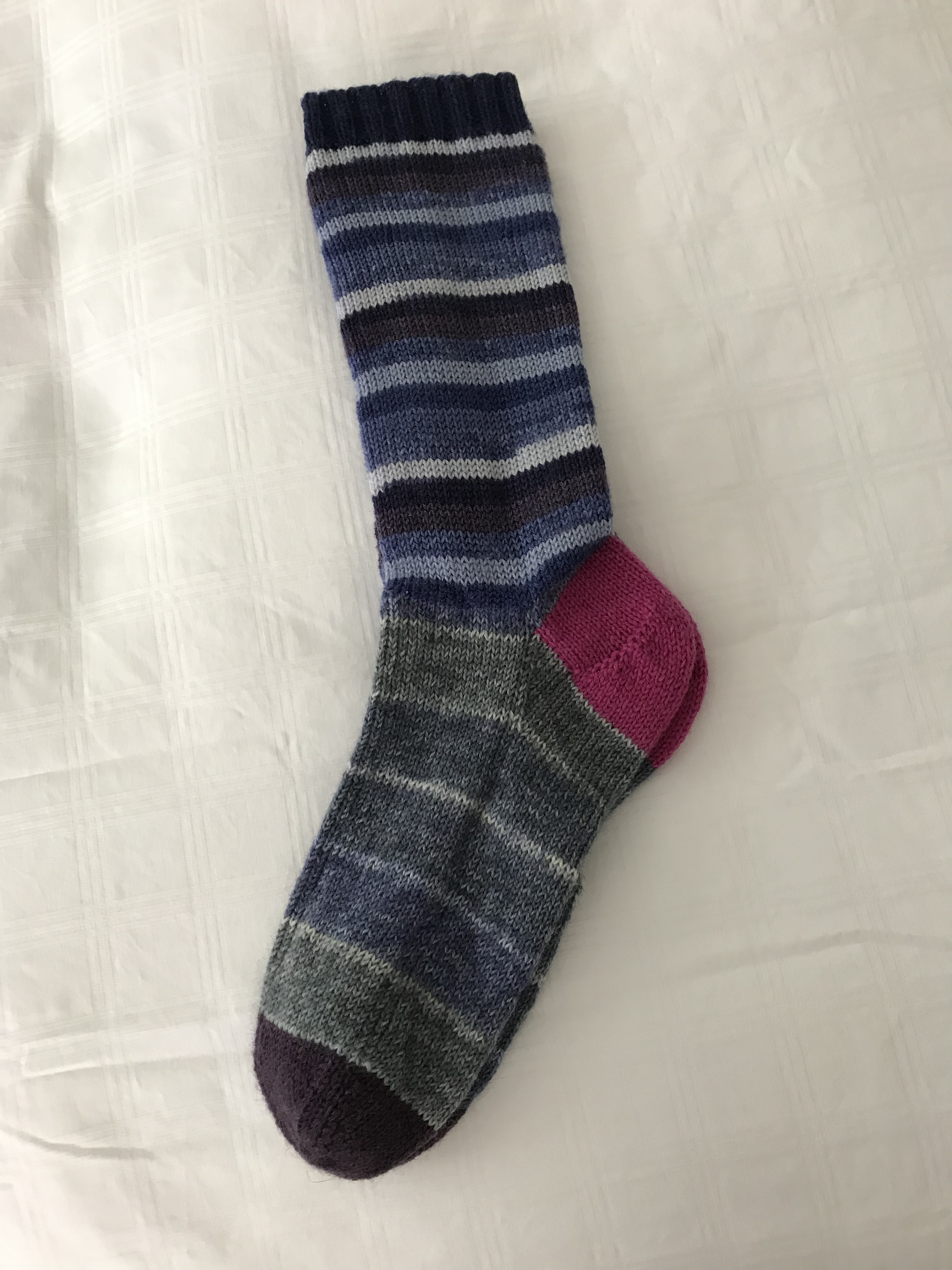
I have a second ball of that yarn in blues and mauve – this time I’ll just keep knitting through – changing from cuff to leg without changing the yarn. When I get to the “heel” I will turn it and carry on .

Final Sock Remake

Final Sock Remake

Finally done with remaking and repairing socks. Four pairs (one was too far gone to work on so I discarded it). Three pairs have been returned to their home. I’ll get this one back later in the week.

Now to return to making new socks. I have a good supply of yarn in the yarn stash – enough to keep me going for the next three-four months.

#3


Restored this pair last evening. Straightforward heel replacement. No fussing. I was even able to come close to the original yarn I used for the heels.

Now working on pair #4 – another full foot replacement. That’ll take 4-5 days. Then back to new socks.

Socks – New Again

New Again – Sept 2017

5-6 hours later and here’s a new pair of socks – restored with new heels (Click here for the socks before I reknit the heels). If you’re a dedicated knitter and want to know how I do it check out my instructions.

Knitting a heel itself doesn’t take long – each heel takes about an hour – it’s all the preparation, picking up stitches on a carrier thread, carefully pulling out excess knitting (from the cut edge), and then finally grafting the instep onto the new heel (this last step requires slow careful stitching – done loose and then tightened just enough for an even finish, stitch by stitch).

Obviously replacing heels goes a lot faster than reknitting an entire foot – but I can only get away with this easier repair if the holes aren’t too big. If the worn heel includes some of the instep, I have to cut off everything, retaining just the legs and building a new sock from there.

Socks Revisited

January 2008

Here’s a pair of socks I made in 2008. The heels were repaired once in the interim. I got them back again for repairs a couple of weeks ago – heels for sure, but when I went to work on the socks I thought the ball of the foot was too worn to keep, so full feet were needed. The socks are still worth salvaging – the legs are fine, and that’s half the work! Nine years of wear is pretty good.
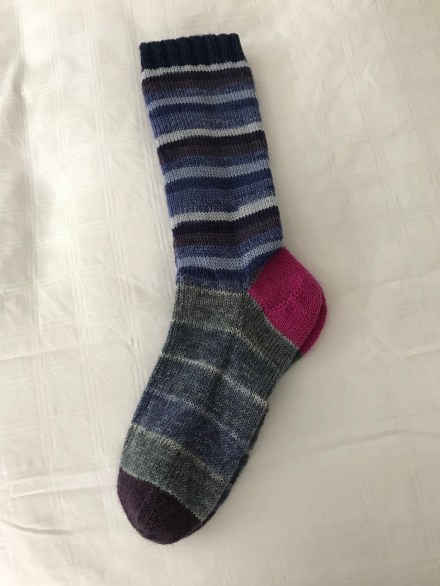
Remake September 2017

For the remakes I use whatever yarn I have on hand that might sort of blend. I could always use a solid, but where’s the fun in that. I’m not into boring – what makes the sock knitting work for me is a constantly changing pattern which the variegated yarn offers. I decided on bright heels to offset the darker yarn I used for the foot. These socks will serve for another 5-7 years!

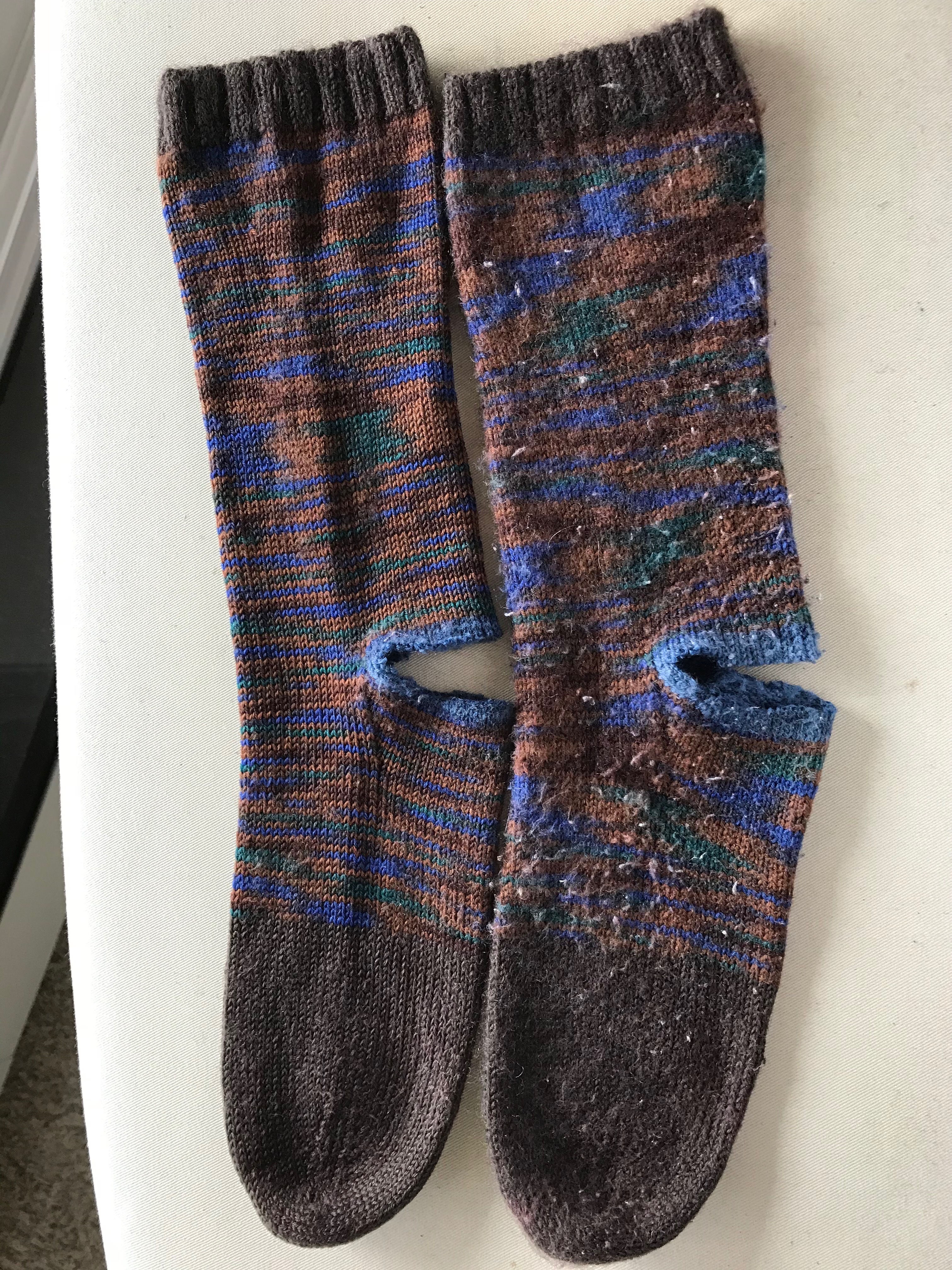
The reality is when these socks come back to me, they look like this – holes and full of nubbies:

After & Before! (Worn heels removed)

These socks are well used – they’re slept in on flannel sheets! You can see what they look like before I begin working on them. The first step in the restoration is to shave them – this morning, I used my electric clothes shaver to clean up the nubbies so I have a clean sock to work with. This pair has an intact foot, so all I need to replace are the heels. This is the pair I will work on next.

Here’s the original pair from 2010:
2010

When I’m done with the repairs these socks will look almost like the original socks. Seven years of wear before a heel replacement – pretty good!

I still have a couple of pairs of socks in my sock drawer from 2004/2005 (I began sock making in October 2003)! These socks live a long time when they’re cared for. That’s why I still find making them so satisfying. I know my sister Barb has some that are that old (her’s also get repaired when needed) Gotta keep these socks alive.
Striped Socks

Striped Socks

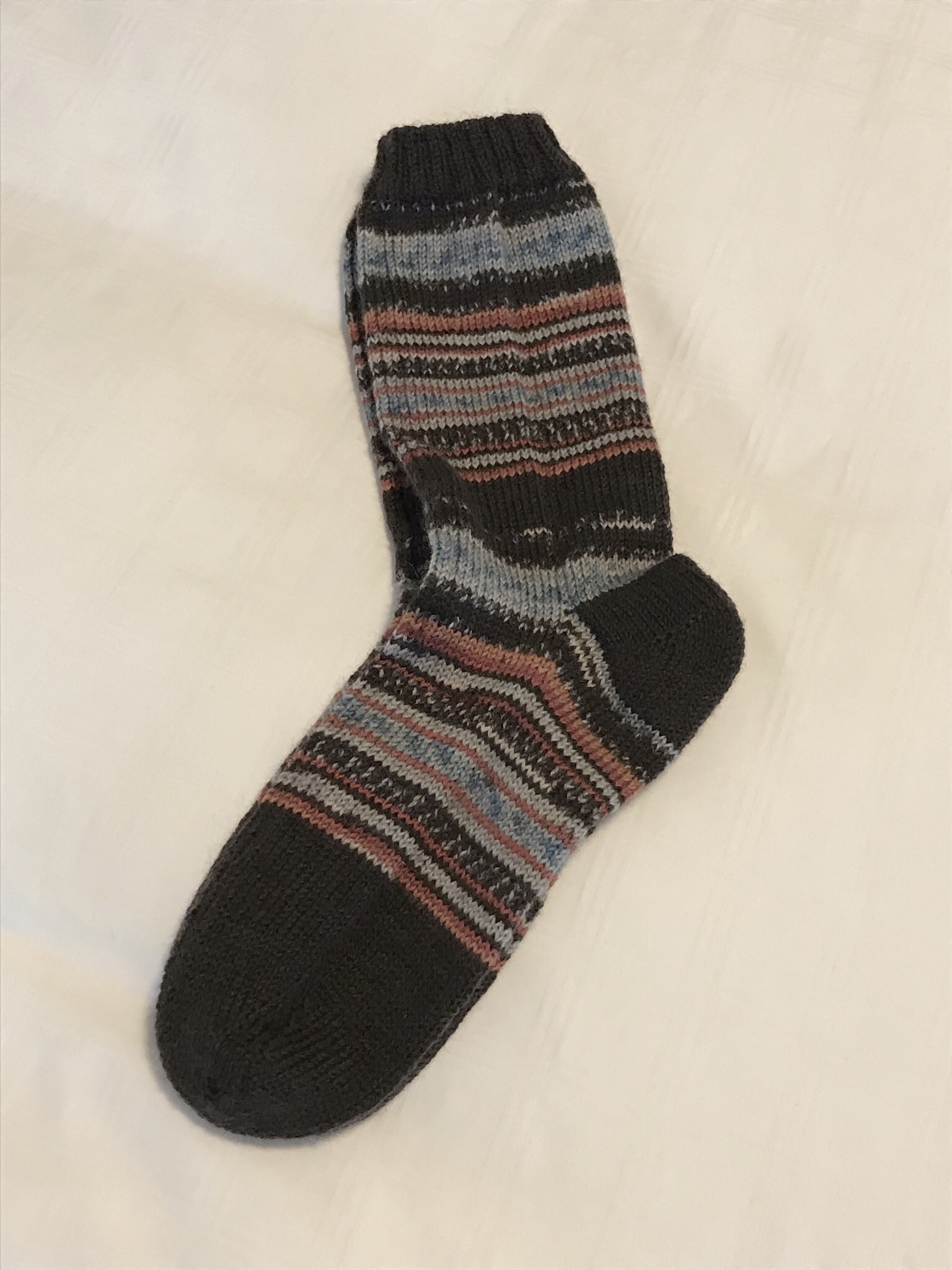
Not my favorite socks – boring to knit. Finished last evening. Into the stash.

Now on to repairing five pairs of socks – two for sure, and maybe three, are too far gone to save the feet. However it’s worth knitting new feet – half the work after all is done – the legs are reusable.

Socks Using Lang JaWoll Aktion Yarn

Orange ‘n Grey Socks

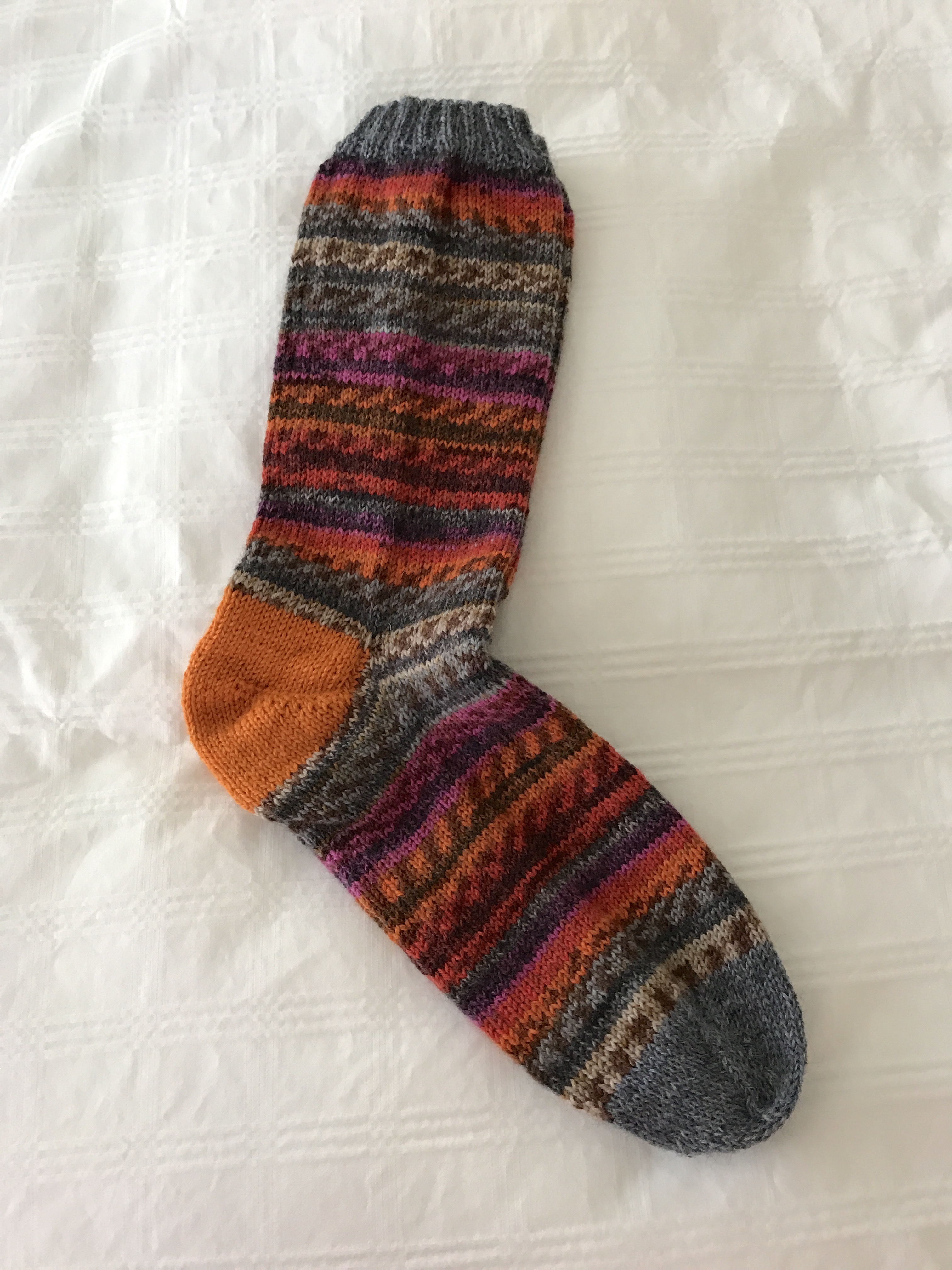
A very nice sock yarn – good weight to knit using 2.5mm dp needles. When I got to the heel I decided to strengthen the colour using the orange, rather than tone down the socks with the grey I used for the cuff and toe. It worked – it makes the colours more vibrant. This pair of socks has a name on them. They’re for one of the gals in my building.

Socks

Finished this pair last evening.
I can’t sit in front of a TV without something in my hands to work on. Knitting socks is mindless (except when doing the gusset or rounding off a toe where I have to keep track of the decreases).

Purple/Turquoise Socks

They didn’t look at all like I thought they would based on the variegation in the yarn. I hadn’t anticipated the striping – thought the colour changes would be more solid.

Peach Coloured Socks

These, too, are just finished. They were a delight to work on – the pattern as it emerged was interesting and kept my interest, even on the second sock which I usually find boring to knit. Also it was easy to find the repeat to start the second sock.

Peach Socks

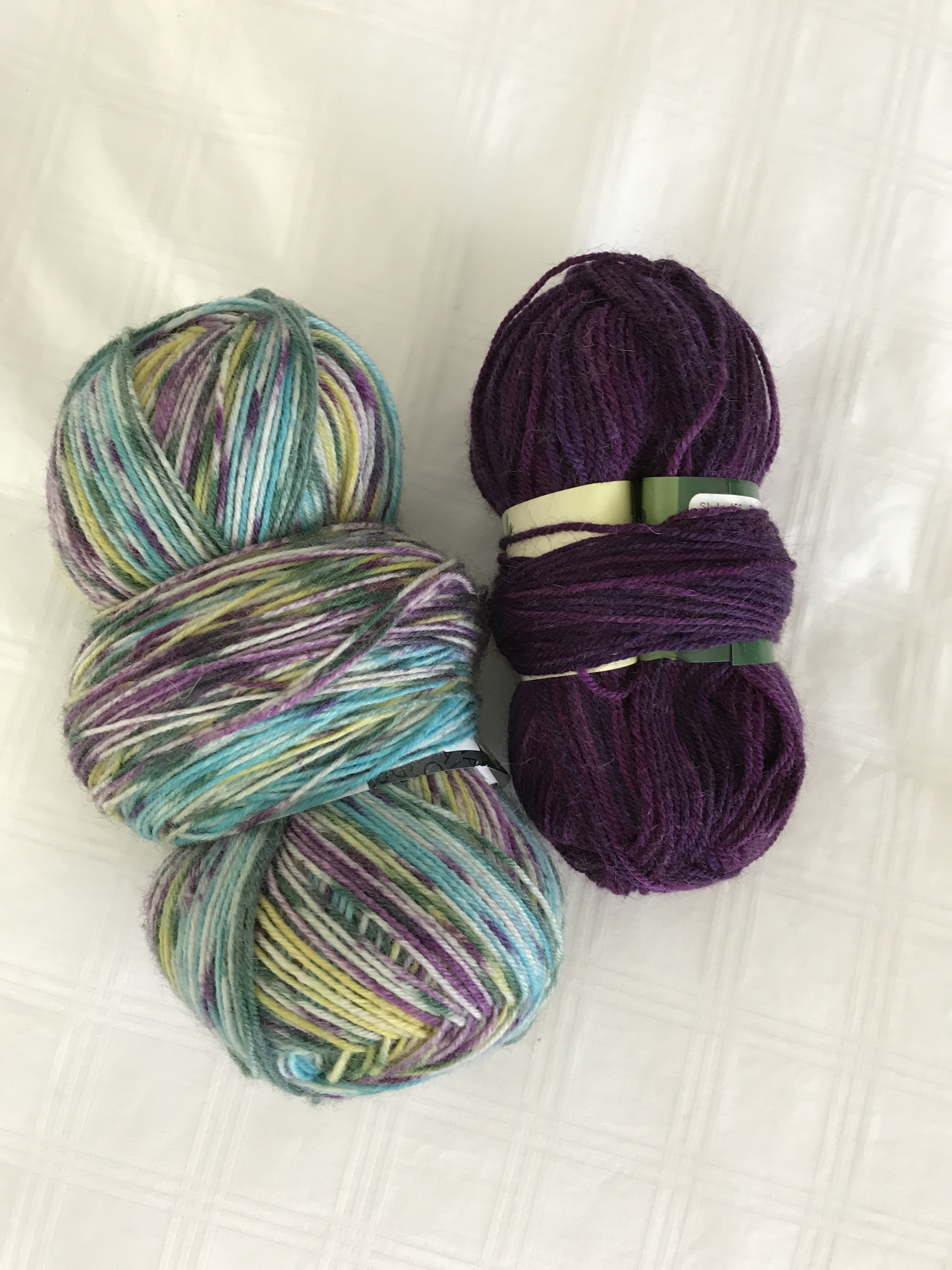
Once finished on to another pair. Here’s the yarn I’ve started using. The purple for cuff, heel, toe and I’ll be interested to see what pattern appears from the variegated yarn.

Yarn For Next Pair