Skyline #2

So here goes…

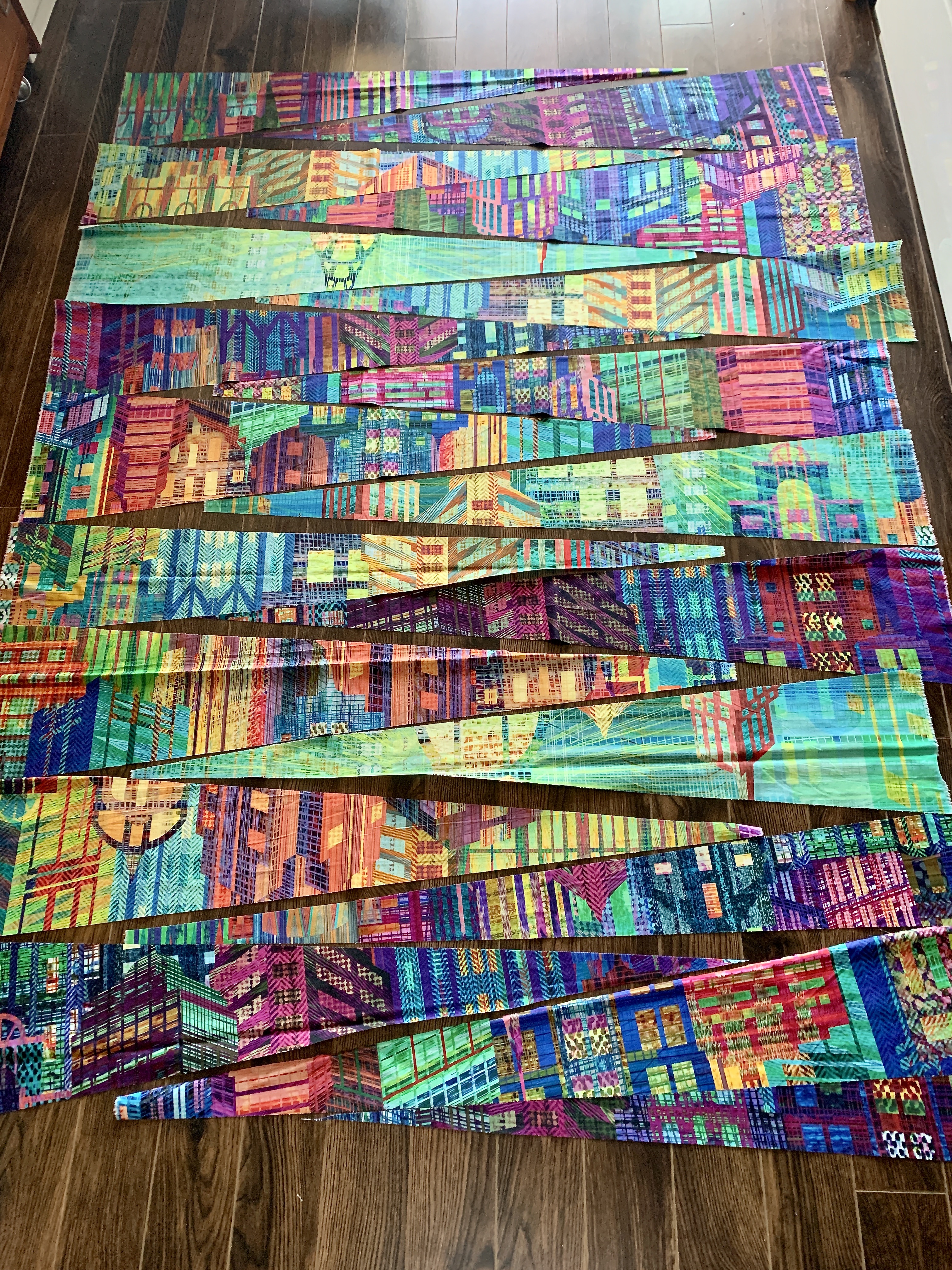
I took my second panel of the Hoffman “Skyline” fabric and cut it into wedges – some narrower than others.

I laid them out on my floor in alternating directions, spreading the array a bit wider than 50″ – close to the width I’d like to end up with (allowing me room to trim after I’ve assembled the panel).
Skyline #2

I didn’t cut the lightest end of the fabric and I see now I may want to include at least one very light wedge in the array. I’ll leave this fabric on the floor and move wedges around over the next couple of days trying to decide on colour flow.

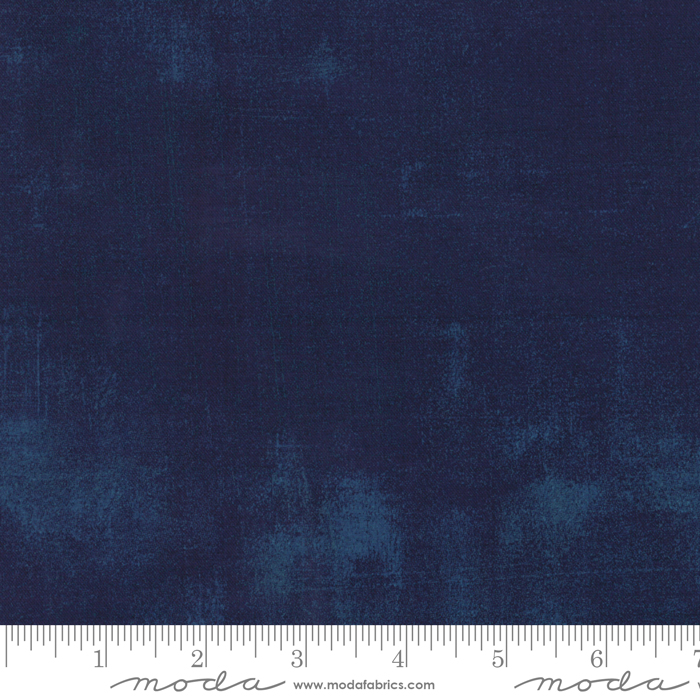
My next step is to cut my dark navy grunge fabric into strips (slightly wedge shaped, maybe) and attach those pieces to one edge of the coloured wedges. That will set up a stronger colour contrast and make the print colours brighter.
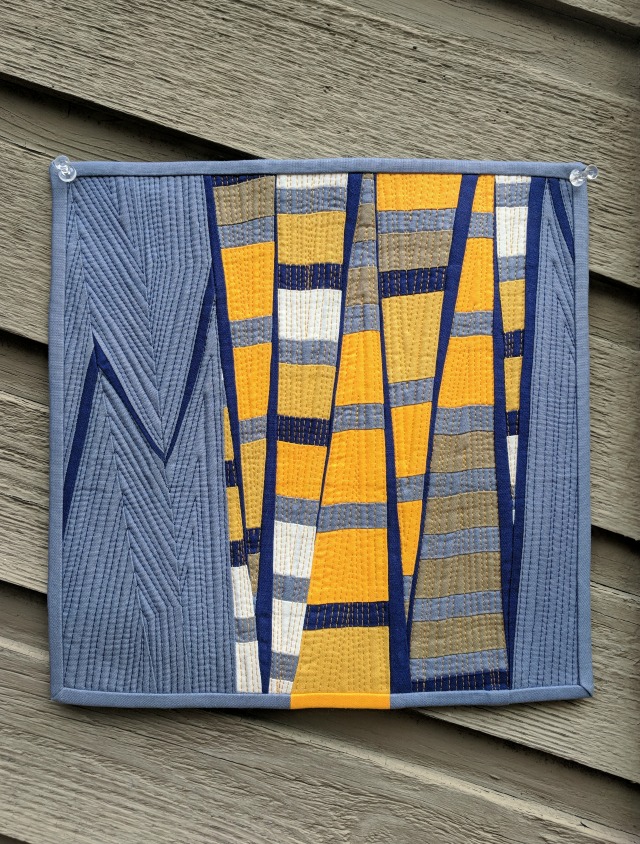
The inspiration for this project comes from Debbie Jeske’s 10″ block “Loosely Connected

Loosely Connected by Debbie Jeske

I’d come across the image on Pinterest after I’d bought the Skyline fabric and thought it was an interesting idea – I wouldn’t need to piece the wedges – just use the colour flow within the print. I’m not planning on solid end pieces, but who knows – once I have a panel assembled I might decide to include a grunge contrast at the ends, even along the sides.

I’m aiming for a finished panel about this same size as “Skylines #1” – 48″ x 64″.

So now to cut the dark blue grunge strips and begin adding them to the wedges….

Skyline #1 – Completed

Here it is. Finished. I just hand-stitched the hidden binding and the label in place.

Skyline #1

I’m quite pleased with how this piece turned out. Final dimensions: 48″ x 64″ – not a bad size for a throw quilt and still reasonable to be hung on a wall should anyone be interested.

I used three different colours of variegated Aurifil (50wt) to quilt the project – on top a darkish purple (with mauve) in the purple corner, a medium turquoise (with light turquoise) in the lighter sections, and a red blend in the peach sections. You really have to look hard to see the differences but it was necessary – a occasional dark purple segment in the turquoise or peach sections would have stuck out; same with a turquoise or red in the dark purple on the bottom right. I used a green variegated thread for the back throughout. That worked well.

I was fortunate, that when I trimmed the backing/batting off, I had enough backing fabric from the four sides that I was able to use the offcuts to bind the quilt. So the hidden binding matches the quilt back!

Skyline #1 – Back

This is the third quilt I’ve used a hidden binding on. I elected to do that here because I felt a regular binding would “frame” the quilt top and I wanted it to be open, without limits. Same with the back, the hidden binding brings the elements to the quilt edge nicely.

Now on to the second in this series.

Skyline #1

On July 9, I mentioned the Hoffman’s “Skyline” panel I’d bought – I was thinking about how I might play again with “Let The Trumpet’s Sound” drunkard’s path motif using this multi-coloured fabric.

Hoffman Skylines – Multi

I finally got going on on Aug 10, when I cut my 1m wide panel into 10 different 21″ squares. Then I walked around the fabric for another week!

I took a deep breath on Aug 17 and cut the 21″ blocks into smaller sizes:

  • 3 x 16.6″ – a dark, a medium, a light
  • 14 x 8.5″
  • 36 x 4.5″ and
  • 120 x 2.5″ blocks.

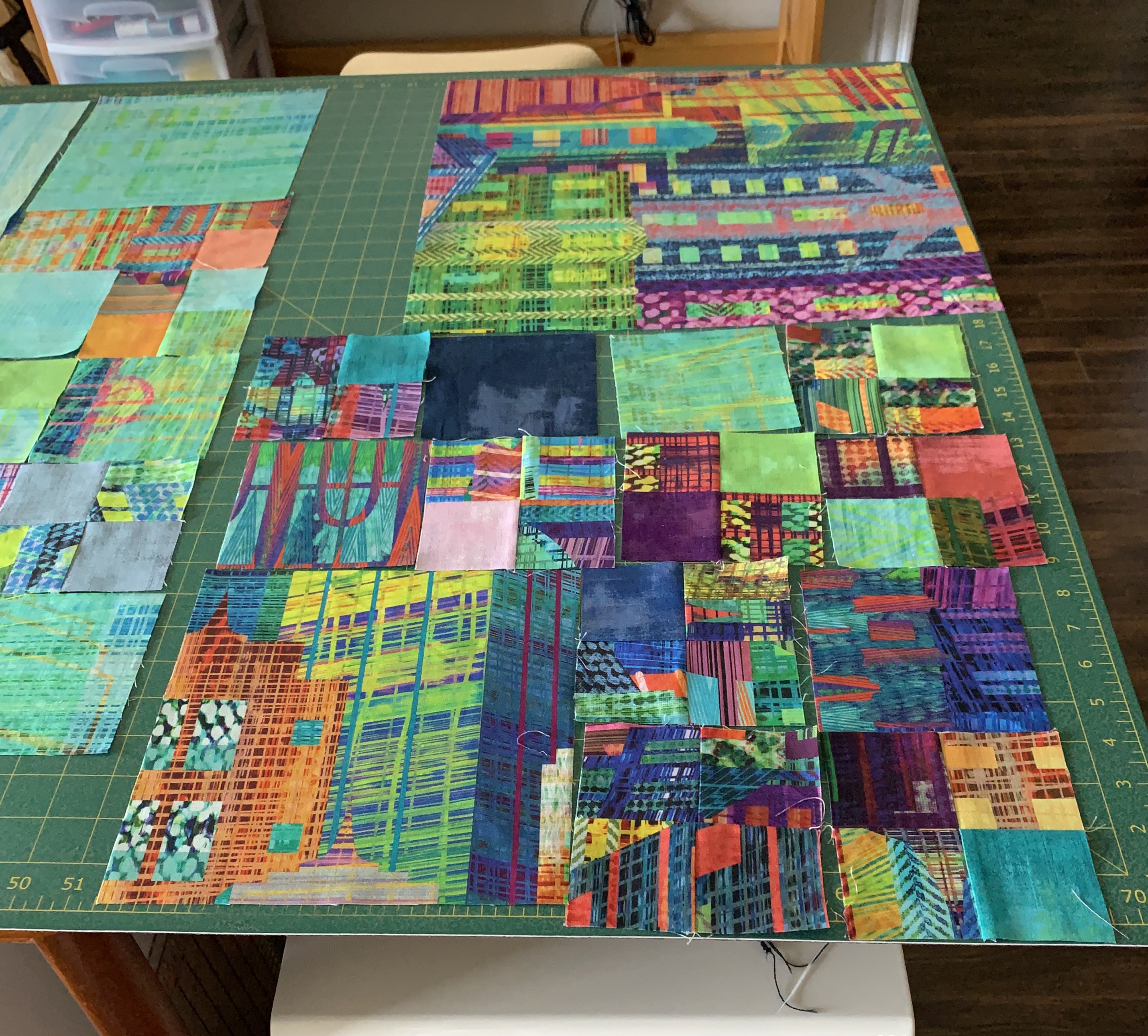
I also cut 32 x  2.5″ blocks from several complementary shades of “Grunge” fabric from my fat quarter stash. I more or less sorted everything by colour, I stitched many of the 2.5″ blocks into 4-patch elements, then I began laying out blocks on my cutting table:

Skylines #1 – First Corner

The large pale block, two 8.5″ blocks, then filled in with a combination of 4-patch and 4.5″ blocks….

Skylines #1 – Medium Tones

Next, I grouped more blocks into medium-toned groupings until I had no more space available on my cutting table, at which point I very carefully moved everything to the floor.

Skylines #1 – Incomplete Layout

I laid out all the blocks I had cut – I still needed the equivalent of approximately 15 x 4.5″ spaces – the few remaining scraps I had left of the “Skylines” were too small so I turned again to my collection of “Grunge” fat quarters, selected a dozen I thought would coordinate well with my layout.

As I was filling in spaces, I moved blocks around until I had a more coordinated colour flow:

Skylines #1 – Completed Layout

Now I had a clear alignment of lights, darks, and medium colours – with a grouping of peach tones in the lower left corner.

Looking at the layout with a friend that evening, the small pale mauve “Grunge” blocks were stand-outs – they had to go; I replaced them with other colours which blended better. And then I began assembling the quilt top into 12 x 16.5″ blocks:

Skylines #1 – Partially Assembled

The top row, the second row, and the bottom row are now sewn together. The layout in the middle two rows used a couple of the 8.5″ blocks staggered across two rows – hence the jog in the second row. The third row is laid out on my cutting board ready to be assembled:

Skylines #1 – Third Row Ready to Assemble

That’s this morning’s work. Once I have all four rows done I’ll put them together. Leaving them separate at this point lets me lay them out, check for colour flow, and replace any “eye-sore” spots more easily – taking apart the smaller strips is much less complicated then replacing blocks in the middle of a large panel!

Oh, and I picked up another metre of the “Skylines” fabric – bringing my total, now, to four panels. I’ve decided to insert an 8″ – 10″ strip in the back of each of the “Skylines” quilts. Did I say I have plans for doing THREE quilts using this fabric? I intend to call the series “Skylines Triptych.”

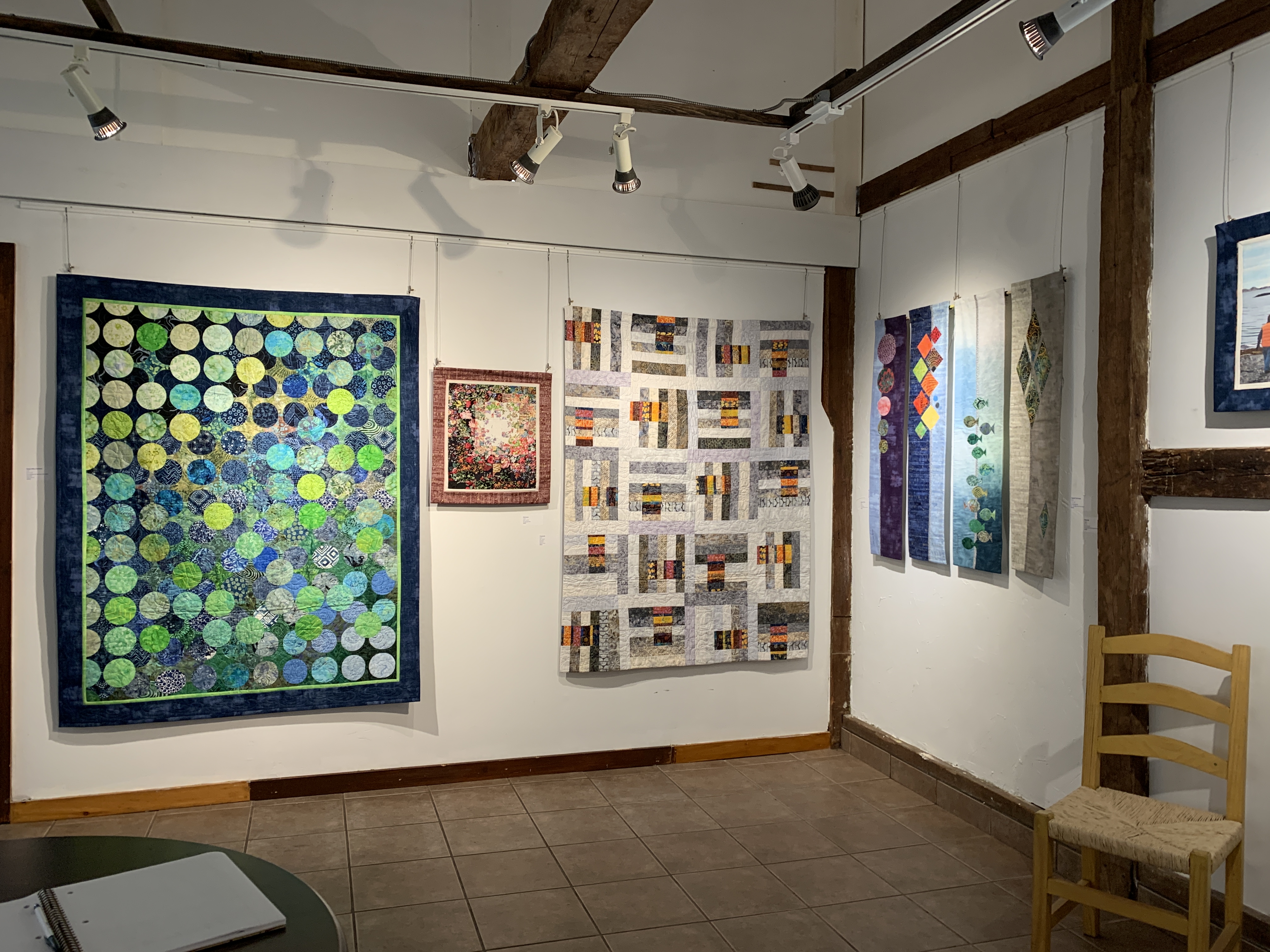
Opening @ Art Lab in Parrsboro 2020

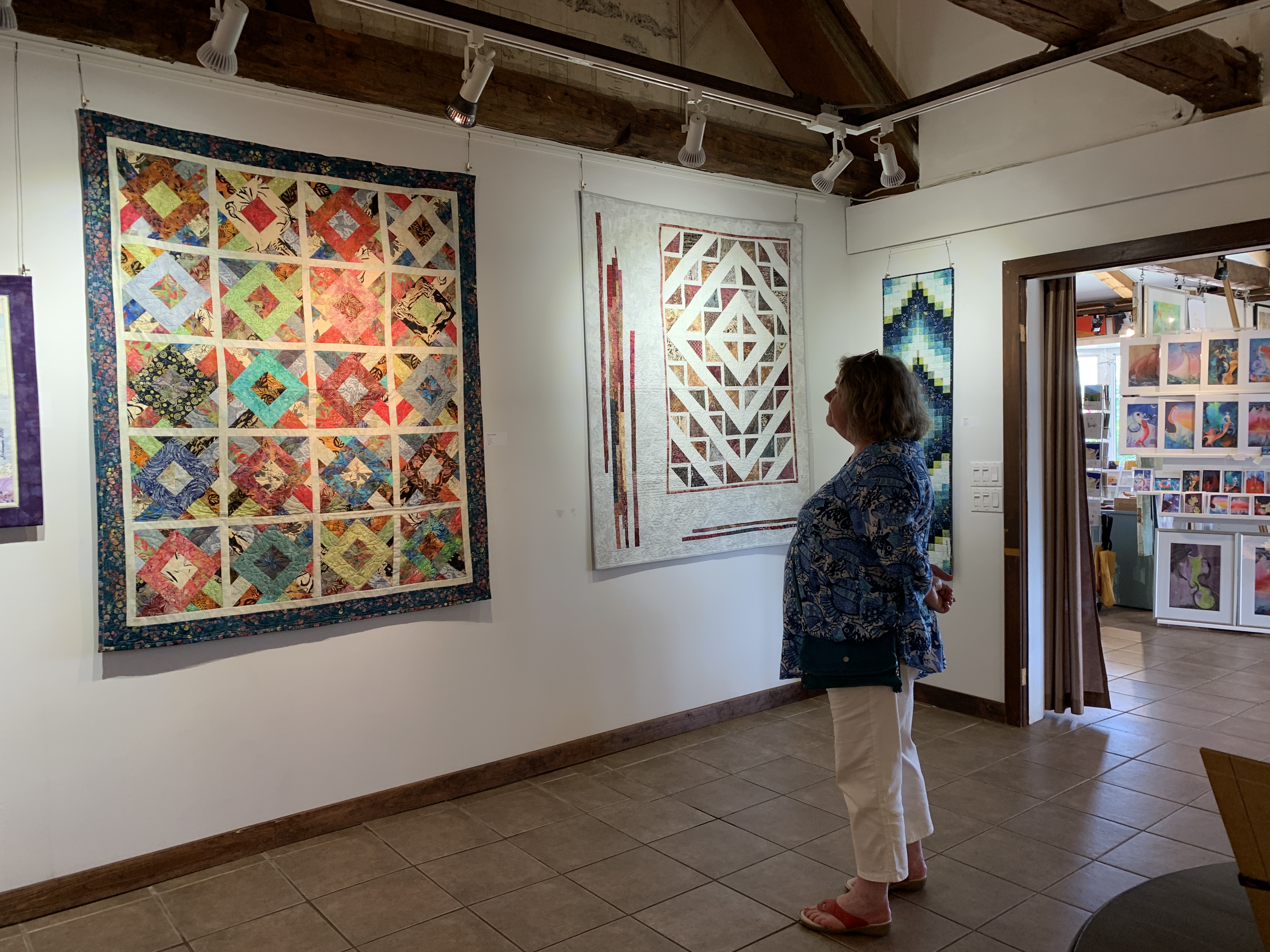
Yesterday I drove to Parrsboro (2 hours from home) to hang 7 quilts and 15 wall art pieces in the Art Lab Studios & Gallery.


This is the sixth summer I’ve been privileged to show my creations in the gallery. It’s a small gallery in a small town but it’s becoming known for it’s displays of high quality art. The five resident artists are themselves fine artists who paint, make pottery, fashion textile pieces, along with a roster of other well known local artists who both show and do workshops at the Studios during the summer.

The space is perfect for hanging my lap quilts and other smaller pieces.

When we’re finished hanging the show I look around and think about the amount of work I’ve done in a year – the range of style, the intensity of colour, and the technical improvement the show reveals.

A number of pieces were created as projects for classes I was intending to teach (except they were cancelled due to COVID-19).

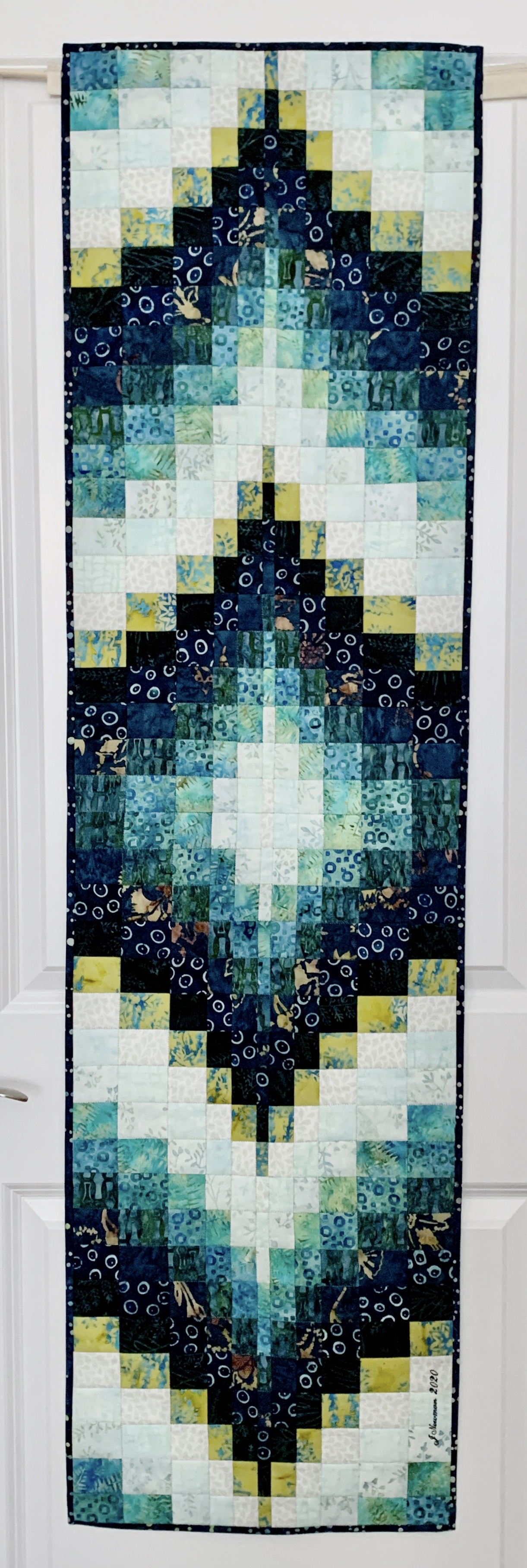
Kaleidoscope Table Runners

Other pieces were inspired by fabric in my stash – they called out for me to do something with them.

Then there were the two quilts I started work on at the sewing retreat last fall that turned into quite striking throws.

Grey called out to me this year – last year it was turquoise.

I think I want to return before the show is taken down to photograph everything once more – it’s very difficult for me to hang the quilts, in particular, and photograph them at home – when they’re on the wall, like this, I am able to capture each piece without distortion.

The quilts and wall art will be on display until August 20, 2020.

If you get a chance, the Art Lab Studios & Gallery is a wonderful destination for a day trip from Halifax – leave around 10am, stop at the Masstown Market in Masstown (they make great sugar donuts if you get there early enough). In Parrsboro you can have lunch at either the BlackRock Cafe or what locals call “The Pier” (now called, I think, Harbourview Restaurant), then visit the gallery, schmooze Main Street, and have a leisurely drive back home either through Joggins/Amherst or back through Truro. If you stop for dinner in Truro you can expect to be back home around 8pm. Even fun on a cloudy day.

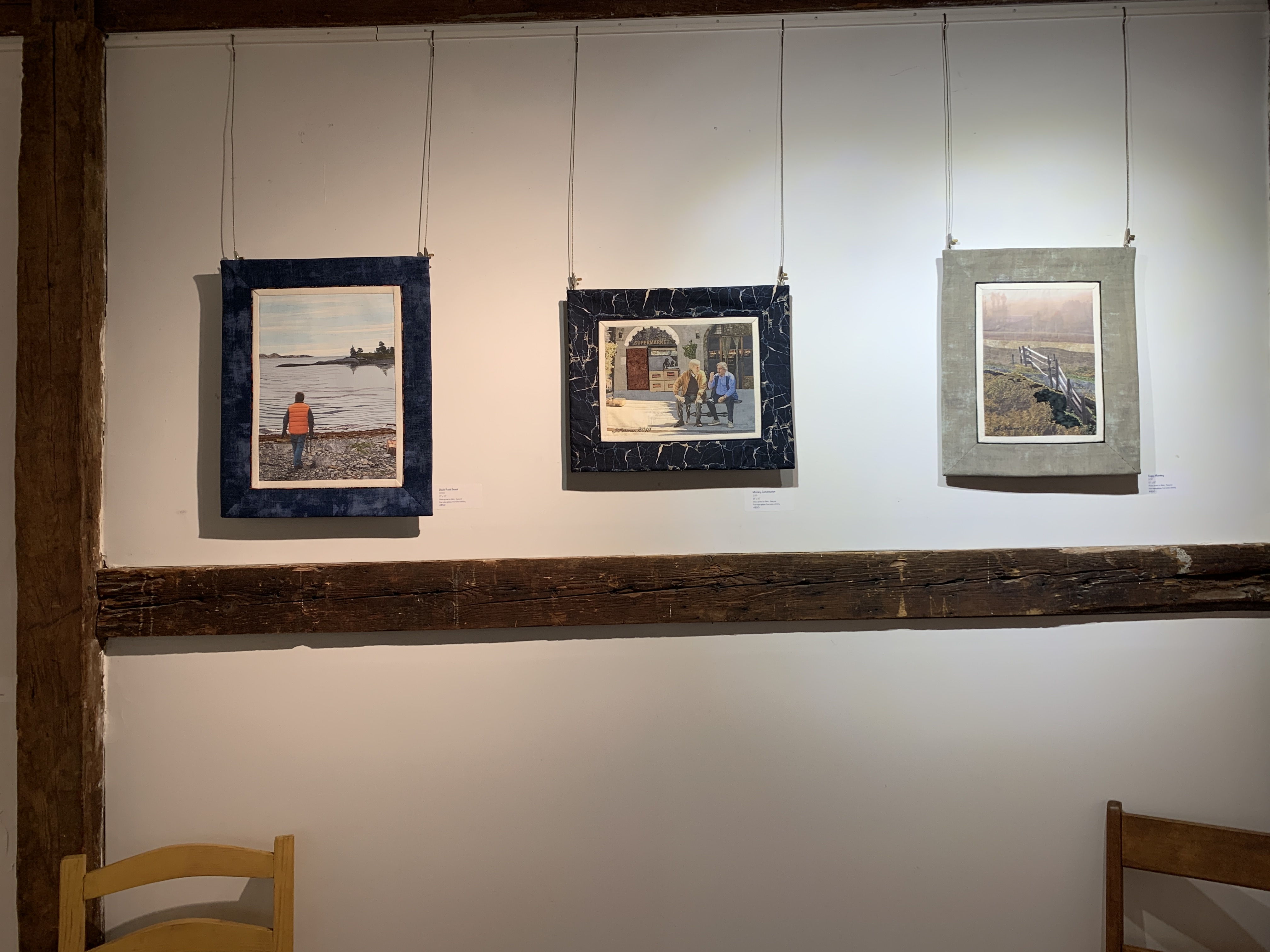
Black Rock Beach – Completed

Just finished. Unfortunately, the photo doesn’t do the piece justice – I’ve tried lightening the blue of the frame and can’t get close to the real colour without distorting the body of the  piece.

Black Rock Beach

I’m happy with the balance of the whole. The piping, which doesn’t show well in the photo at all, pulls out both the orange of the vest and the blues of the water.

Now to find a place to hang it in my apartment – there isn’t obvious wall space in any room. I’m going to have to walk around and decide what to take down so I can display this piece of art.

Black Rock Beach – IV

Day before yesterday I took apart the stitching of the water near the shore. Yesterday I stitched in new wave lines which run more parallel to the beach. I stitched in small wavelets as they reach the beach. I also stitched the rubble at the beach line and at the bricks at the bottom right.

Thread Painting Finished

Today, I stitched around the rocks and pebbles on the beach. I worked in the bits of vegetation and wood debris amid the rocks.

Finally I added David.

David Up Close

I very carefully stitched the shading of his clothing and around the edges of the fused appliqué.

The last thing I stitched was my signature in the bottom right.

Auditioning Fabric for Framing

I’ve stopped for today, but I’ve cut and laid out fabric for an inner border. I auditioned several fabrics for the piping including both bright and muted orange pieces but they pull the eye away from the vest. I think I’ve settled on a dark teal solid which will allow me to use a mottled grey print for the wide outer framing.

I’ll do the framing tomorrow.

Black Rock Beach – III

I spent several hours yesterday working on the thread painting on Black Rock Beach – the sky, the distant shore, the black rocks point, the water near the shore.

Black Rock Beach

I closely stitched the Black Rock Point

Black Rock Point

Then I worked my way toward the foreground

Black Rock Beach III

Standing back from it I can see the curvature of the waves is jarring. The piece would feel more calm were I to straighten out the water movement. That’s a challenge – because I’m not sure I won’t be left with stitch marks I won’t be able to eliminate once I’ve taken that stitching out.

However, I’m going to give it a try because I’m not happy with how the water near the rocky beach is flowing.

A Return To “Black Rocks Beach”

This “staying at home” has my brain befuddled. I was able to feel productive while engaged in face mask production but for the past week I have not been able to settle on a new quilting project or wall art project or any garment making. I’ve whiled away my time with puzzles and following news, a minimal amount of cooking, and an occasional walk but I’ve not been getting anything creative done.

Day before yesterday I put the “Black Rocks Beach” piece (started a year ago!) back on my cutting table. Last spring I concatenated three photos to create the one image. In December/January (I can’t remember when, exactly) I’d got as far as laying in the background sky, far shore, the black rocks, the near shore but stopped short of doing any thread painting.

Two days ago I fused small bits of fabric to indicate the movement of the water near the beach. I think today is the day I pull out my boxes of rayon embroidery thread and start working on water and sky.

Black Rocks Beach

David’s figure is fussy cut and ready to go but not fused to the scene yet – the water has to be thread painted before I can put him in place and thread paint his clothing. This is one of those moments where I have to take a deep breath and just start stitching – there will be no going back, no correcting what I’ve done. Here’s where the art form is unforgiving.

Ready – set – go.

Bargello Table Runner IV

I finally finished the 57″ x 16″ Bargello table runner last evening. It took me several hours over two days to stitch the whole thing in the ditch – that was because I was changing thread colour and having to stitch on the zig-zag.

Bargello Table Runner – Finished

I thought about quilting the piece in the hoop for quite a while – doing an edge-to-edge style of design along the length – but I decided it would detract from the bargello detail. In this case, I also stitched through the backing, which meant I needed to add a binding. I chose a 1/4″ binding on the front but 3/4″ hand stitched down on the back.

The original Bargello piece is also finished – it’s the inverse of the longer table runner with a dark, rather than the light, centre.

Bargello Table Runner I

I’m teaching a class in two weeks on how to improvise a Bargello block and how to think about layout for a table or bed runner, a cushion, a wall hanging, or a quilt. The point will be to understand how the quilting version is derived from wool on canvas work and uses the same math principles.

For the class, I will need to set up another Bargello piece so I can demonstrate forming the tube stitched from 10 strips, cutting, and laying out the Bargello array. Better think about that in the next day or two.

Here are instructions for this table runner –  Download the PDF

Finishing Wall Art

I’ve finally got around to creating instructions for adding borders and piping to a textile wall art panel as well as instructions for hidden bindings.

It took some time because I had forgotten to take photos as I added the borders etc. to the Iris panel last week.

This morning I took a small panel I’d made quite some time ago, removed the backing, and added borders & piping and a hidden binding – and I took pictures along the way to illustrate the process! Finally. I did it because the panel wasn’t really finished and I needed something already assembled (instead of taking the time to construct something new) so I could take photographs as I did the work.

If you’re interested here are links to the PDFs